A Deep Dive into the Addictive Strategy Roguelike Experience of Luck be a Landlord
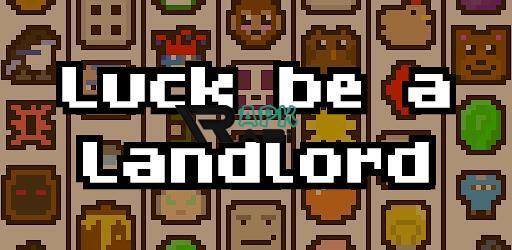
In the ever-evolving world of indie gaming, few titles manage to blend simplicity, strategy, randomness, and replayability as elegantly as Luck be a Landlord. Developed by TrampolineTales, this clever roguelike deck-builder–style game transforms an everyday object — a slot machine — into a full-blown strategic battlefield. At first glance it looks minimalistic, almost deceptively casual. But once you start spinning, you realize you’ve stepped into a system layered with tactical depth, probability management, and clever synergies.
This article explores every aspect of the game in detail, from its mechanics and design philosophy to strategies, replay value, progression systems, and what makes it stand out among modern indie titles.
Core Concept and Gameplay Loop
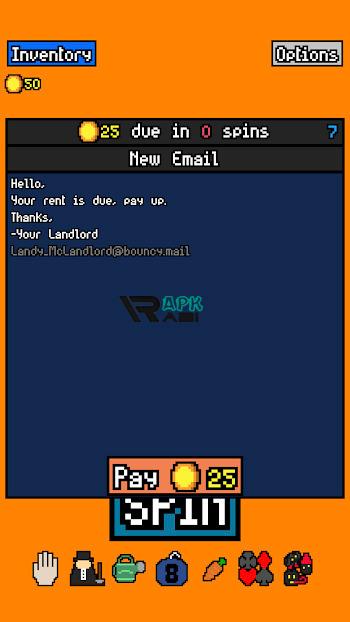
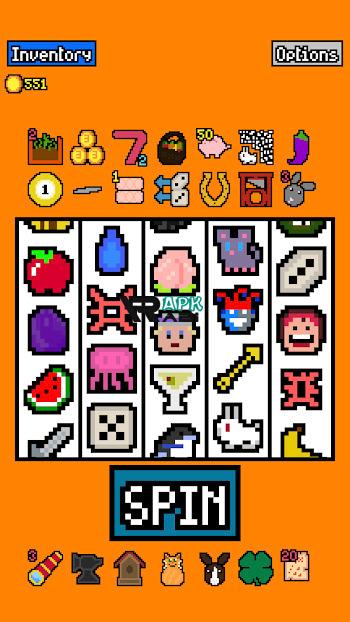
At its foundation, the game revolves around paying rent. Sounds mundane, right? Not here. Instead of working a job or completing quests, your character pays rent using earnings from a slot machine. Each spin generates coins depending on the symbols that appear, and each round represents another chance to survive until the next rent deadline.
The loop is straightforward but endlessly engaging:
-
Spin the slot machine.
-
Earn coins from symbol combinations.
-
Buy new symbols or items.
-
Pay rent.
-
Repeat until victory or eviction.
What makes this loop brilliant is how it balances chance and strategy. You don’t control what symbols appear in a spin, but you do control which symbols enter your pool. Over time, your decisions shape probability, transforming randomness into calculated risk.
Symbol System: The Heart of Strategy
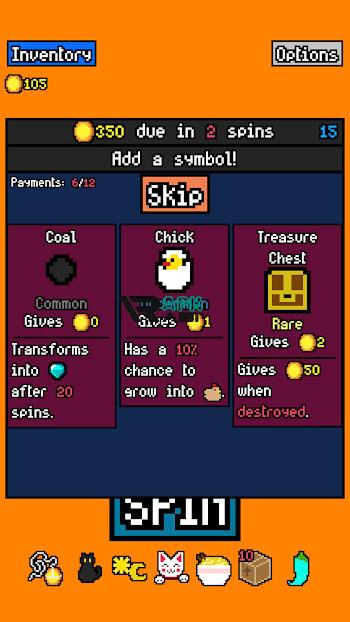
Symbols are the core gameplay mechanic. Every symbol has its own behavior, value, and interaction rules. Some generate coins passively, some depend on adjacent symbols, and others trigger special effects or destroy neighboring symbols.
Examples of symbol archetypes include:
-
Economy symbols — provide steady income.
-
Synergy symbols — gain bonuses when paired with specific types.
-
Destructive symbols — remove others for benefits.
-
Scaling symbols — grow stronger over time.
The genius lies in how these categories overlap. A symbol might start weak but become powerful when combined with the right companions. For instance, animals may benefit from food symbols, while thieves might profit from coin-producing ones.
Over dozens of runs, players begin to recognize patterns and build intentional strategies instead of relying on luck alone.
Item System and Build Customization
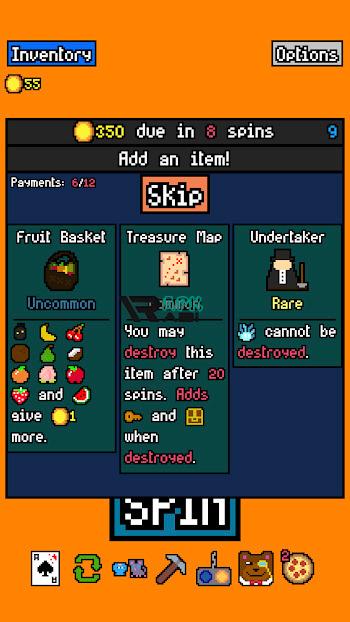
After certain spins, you’re offered items that permanently affect gameplay. Items modify rules, boost symbol payouts, alter probabilities, or unlock new mechanics.
These items essentially act as “build definers.” While symbols determine your immediate earnings, items shape your long-term strategy. Choosing an item isn’t just about short-term profit; it’s about predicting how it will synergize with your future symbol pool.
Some items might:
-
Double payouts for specific symbols.
-
Add extra symbols every round.
-
Change how destruction mechanics work.
-
Introduce rare symbol types.
The real challenge is deciding when to commit to a build direction. Early commitment can yield massive rewards if luck supports it — but can also doom a run if the right symbols never appear.
Progression and Difficulty Scaling
The game features escalating rent payments, meaning each cycle becomes harder. Early rent is easy to meet, giving you room to experiment. Later payments require optimized symbol combinations and efficient builds.
Difficulty scales through:
This scaling curve keeps tension high. Even a strong build can collapse if you fail to maintain income efficiency. The system encourages adaptability rather than rigid planning.
Roguelike Elements and Replay Value
Every run is procedurally different. The symbol offerings, item choices, and spin results ensure that no two sessions feel identical. This randomness is what gives the game its roguelike DNA.
Replay value comes from:
One run might revolve around animals and farming mechanics. Another might focus on rare gems and multipliers. A third might use destructive synergies to clear weak symbols and maintain a streamlined pool.
Because of this variety, players often find themselves saying, “Just one more run,” long after they planned to stop.
Visual Design and Aesthetic Philosophy
Visually, the game is intentionally minimalist. Symbols are simple icons, animations are subtle, and the interface is clean. Instead of flashy graphics, the design prioritizes clarity.
This minimalist approach serves several purposes:
The understated style also reinforces the indie identity of the project. It proves that compelling gameplay doesn’t require hyper-realistic visuals or massive budgets.
Sound Design and Feedback Loop
Sound plays a surprisingly important role. The spin effect, coin sounds, and subtle audio cues reinforce the reward system. Each spin feels satisfying, and each coin earned provides auditory confirmation of progress.
Good sound design in a game like this is essential because it:
Even small audio details help maintain engagement during long sessions.
Strategy Depth: More Than Just Luck
Despite the title, success is rarely about pure luck. Skilled players learn probability management, symbol synergy, and long-term planning. Mastery involves understanding how to manipulate the symbol pool to increase favorable outcomes.
Advanced tactics include:
-
Pool thinning: removing weak symbols to improve spin consistency.
-
Scaling builds: prioritizing symbols that grow stronger each round.
-
Combo stacking: maximizing adjacency bonuses.
-
Probability weighting: choosing symbols that statistically improve outcomes.
This depth makes the game appealing to analytical thinkers who enjoy optimization challenges.
Comparison With Other Indie Strategy Titles
The indie scene has produced several strategy-focused roguelikes in recent years, including Balatro and Vampire Survivors. While these titles differ mechanically, they share a philosophy: simple mechanics combined with complex decision-making.
What sets this slot-based strategy game apart is its unique theme. Most roguelikes rely on combat systems, but here the conflict is economic survival. Instead of fighting monsters, you’re fighting rent deadlines.
That twist alone makes the experience feel fresh and memorable.
Psychological Appeal and Player Motivation
The game taps into several psychological reward systems:
These elements create a powerful engagement loop. Players feel motivated not just by winning, but by improving their strategy and discovering new symbol interactions.
It’s a design approach often studied in behavioral psychology because of how effectively it maintains attention.
Accessibility and Learning Curve
One of the strongest aspects of the game is accessibility. New players can understand the basics within minutes. The interface clearly explains symbol effects, and tooltips provide instant clarification.
The learning curve works in layers:
-
Beginner: Understand spins and rent.
-
Intermediate: Recognize symbol synergy.
-
Advanced: Optimize builds and probabilities.
-
Expert: Predict outcomes and manipulate RNG.
This layered complexity ensures the game remains enjoyable for both casual players and hardcore strategists.
Build Archetypes and Playstyles
Over time, players discover common archetypes that consistently perform well. These are not strict classes but strategic directions.
Popular archetypes include:
-
Scaling Engine Build: Focuses on symbols that grow stronger every round.
-
Destruction Economy: Uses symbols that destroy others for profit.
-
Adjacency Combo Build: Maximizes neighboring bonuses.
-
Rare Symbol Build: Prioritizes high-value but uncommon symbols.
Each archetype changes how you evaluate choices. For example, a destruction build might intentionally collect weak symbols just to feed them into stronger ones later.
Risk Management and Decision Making
Every decision involves trade-offs. Accepting a symbol means increasing the chance it appears in future spins. Declining it keeps your pool refined.
Players must constantly ask:
-
Does this symbol help my current build?
-
Will it dilute my probability pool?
-
Is short-term profit worth long-term risk?
This constant evaluation keeps gameplay mentally engaging rather than passive.
Community and Player Creativity
The player community has contributed heavily to the game’s longevity. Fans frequently share strategies, challenge runs, and creative builds. Some players even set self-imposed rules, such as winning without removing symbols or using only one category.
Community engagement extends replayability far beyond the base experience. When players create their own challenges, the game effectively generates infinite content.
Platform Availability and Performance
The game runs smoothly on most systems due to its lightweight design. It’s also available on platforms like Steam, where indie titles thrive thanks to accessibility and community support.
Performance optimization is excellent. Load times are minimal, transitions are instant, and the interface remains responsive even during long sessions.
Why the Game Stands Out in the Indie Market
In a crowded indie landscape, standing out requires originality. This title achieves that through:
Many games attempt complexity through sheer content volume. This one achieves depth through interaction design instead. Every mechanic interlocks with another, forming a system that feels cohesive and intentional.
Long-Term Engagement and Mastery Potential
Games that remain enjoyable for months or years usually share one trait: mastery potential. Here, mastery comes from understanding symbol interactions and probability manipulation.
Even after dozens of wins, players continue discovering new strategies. The system is flexible enough that experimentation always feels rewarding.
Long-term appeal comes from:
-
Endless build combinations
-
Skill improvement satisfaction
-
Randomized runs
-
Strategic experimentation
This makes it a perfect “comfort strategy game” — something you can return to anytime and still feel challenged.
Final Thoughts
This indie gem proves that brilliant design doesn’t require massive budgets or cutting-edge graphics. By combining probability mechanics, strategic planning, and roguelike randomness, it creates a deeply satisfying gameplay loop that keeps players hooked for hours.
Its brilliance lies in transformation. A simple slot machine — typically associated with passive luck — becomes a dynamic system of calculated strategy. Every spin tells a story of risk, planning, and adaptation.
For players who enjoy games that reward intelligence, experimentation, and creativity, this title delivers an experience that is both relaxing and mentally stimulating. It’s easy to learn, hard to master, and endlessly replayable — a rare combination that defines truly great indie design.






1. This is the safest site on the Internet to download APK. 2. Don't ask about the Play Protect warning, we've explained it well, check here. 3. Do not spam, be polite and careful with your words.